-
1:00 PM-11:55 PM EST Virtual
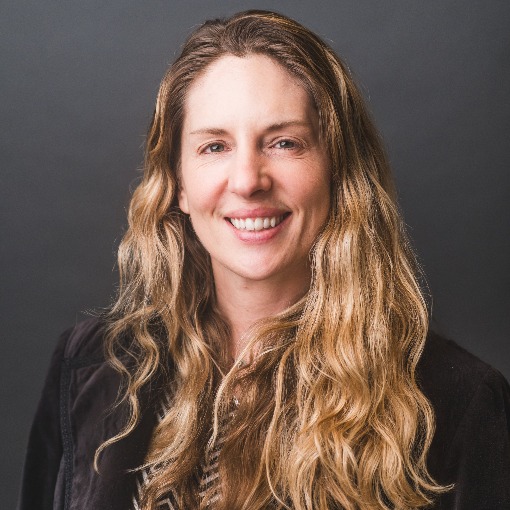
Core Competencies in Bereavement Care: Following the Evidence, Identifying the Gaps

-
1:00 PM-11:55 PM EST Virtual
Companioning Children Through Traumatic Loss
Traumatic loss (i.e., suicide loss, overdose loss, homicide loss) impact children at increasing rates. Children need compassionate support that is developmentally attuned and mindful of the unique nature of childhood bereavement and how traumatic losses create additional challenges that necessitate supportive and innovative interventions.
At the end of the session, participants will:
1. Participants will be able to define traumatic loss and how traumatic loss necessitates unique interventions.
2. Participants will be able to apply 3 interventions applicable to traumatic loss situations amongst children.
3. Participants will identify the unique intersections of grief and trauma informed care.
-
1:00 PM-11:55 PM EST
Navigating the Holidays After Loss: Practical Strategies for Supporting Clients Through Grief and Change
The holiday season can intensify grief, reminding clients of loved ones, traditions, relationships, and life circumstances that have changed. While often associated with celebration, the holidays may also bring heightened feelings of sadness, loneliness, anxiety, guilt, and stress for individuals experiencing loss.
Learning Objectives:
1. This presentation equips counselors with practical, evidence-informed strategies to help clients prepare for and navigate holiday-related grief.
2. Participants will explore common grief responses, identify factors that may increase distress during the holiday season, and learn counseling interventions that promote resilience, meaning-making, and healthy adaptation.
3. Attendees will leave with practical tools that can be immediately integrated into clinical practice with children, adolescents, adults, couples, and families.
-
1:00 PM-11:55 PM EST
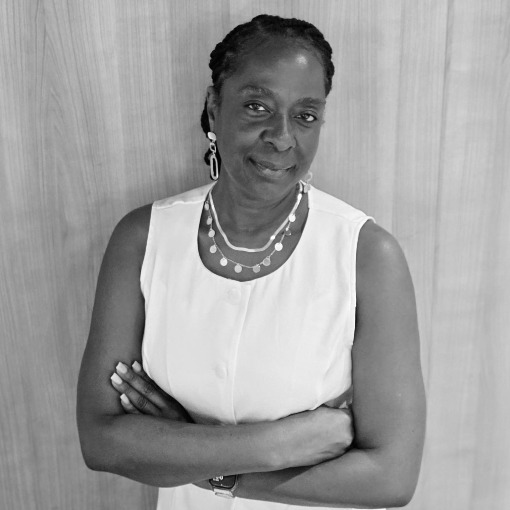
Beyond the Call: Navigating Grief, Loss, and Trauma in First Responders.
Beyond the Call: Navigating Grief, Loss, and Trauma in First Responders is a practical, evidence-informed training designed for counselors and behavioral-health professionals who work with firefighters, law enforcement officers, EMS professionals, dispatchers, corrections personnel, and other first responders.
Participants will explore the unique intersection of occupational trauma, cumulative exposure, grief, traumatic loss, PTSD, prolonged grief, moral injury, substance use, sleep disturbance, and family-system impact. The training emphasizes practical clinical assessment, stabilization, therapeutic engagement, grief interventions, and evidence-based PTSD treatments.
Particular attention will be given to working effectively within first responder culture while maintaining clinical boundaries, confidentiality, and appropriate risk assessment. Participants will leave with practical frameworks, clinical questions, intervention strategies, and resources that can be incorporated into everyday practice.
By the end of this webinar, participants will be able to:
1. Identify the unique ways grief, loss, cumulative occupational exposure, and traumatic stress may present in first responders, including factors that can influence help-seeking and treatment engagement.
2. Apply evidence-based clinical strategies for assessing and addressing grief, traumatic stress, PTSD, and related concerns, including stabilization, psychoeducation, cognitive and behavioral interventions, and grief-focused approaches.
3. Develop culturally responsive clinical strategies that support first responders' resilience, coping, relationships, and recovery while recognizing risks such as substance misuse, suicide, secondary traumatic stress, and clinician burnout.
-
1:00 PM-2:30 PM EST Virtual
What We Carry: Understanding Intergenerational Grief, Loss, and Trauma
Grief, loss, and trauma can leave lasting imprints that extend beyond our individual experiences. This session will explore how unresolved grief and trauma can be carried across generations and influence mental health, relationships, beliefs, behaviors, coping patterns, and emotional well-being.
Participants will gain insight into recognizing intergenerational patterns of grief and trauma and explore culturally responsive, trauma-informed, and healing-centered engagement approaches to healing and wellness. The session will also introduce the “4 S’s” of unresolved grief and an integrated body, soul, and spirit approach to supporting resilience, reconciliation, and restoration across generations.
At the end of the session, participants will be able to:
1. Define intergenerational grief and trauma and explore their impact on individuals,
families, and communities across generations.
2. Recognize the psychological and somatic symptoms associated with unresolved grief and
trauma.
3. Apply a holistic healing framework to disrupt the 4 S’s of unresolved grief and trauma.
-
1:00 PM-11:55 PM EST
When Differences Divide Us: Relational Loss Across Social and Political Divides
Political and social divisions increasingly extend beyond public discourse and into clients’ closest relationships. Differences involving elections, war, identity, immigration, public health, and other deeply held concerns may contribute to ruptured friendships, family estrangement, exclusion from communities, and a diminished sense of safety and belonging. Yet these experiences are not always recognized or understood as grief.
This webinar will examine relational losses associated with social and political division through the lenses of ambiguous loss, disenfranchised grief, relational rupture, and belonging. Participants will learn culturally responsive strategies for helping clients name and process these losses, regulate emotionally charged responses, clarify their values, needs, and boundaries, and determine whether repair, renegotiation, protective distance, or release is the safest and most appropriate path forward.
At the end of the session, participants will be able to:
1. Understand ambiguous loss, disenfranchised grief, relational rupture, and trauma as they may arise from social or political conflict.
2. Apply at least three interventions that help clients process relational grief, regulate distress, clarify values, and make intentional decisions about boundaries and reconnection.
3. Identify biases and countertransference that may interfere with culturally responsive care when clients express politically or morally charged perspectives.